
By Walter Pogliani and Mike Fish of Pogliani Select
The words extra virgin matter. They describe a defined grade, with standards for chemistry and sensory characteristics. But those words cannot tell us everything we want to know: how fresh an oil is, where its olives came from, how it was produced, or how it will taste. Extra virgin is the beginning of the conversation, not the end of it.
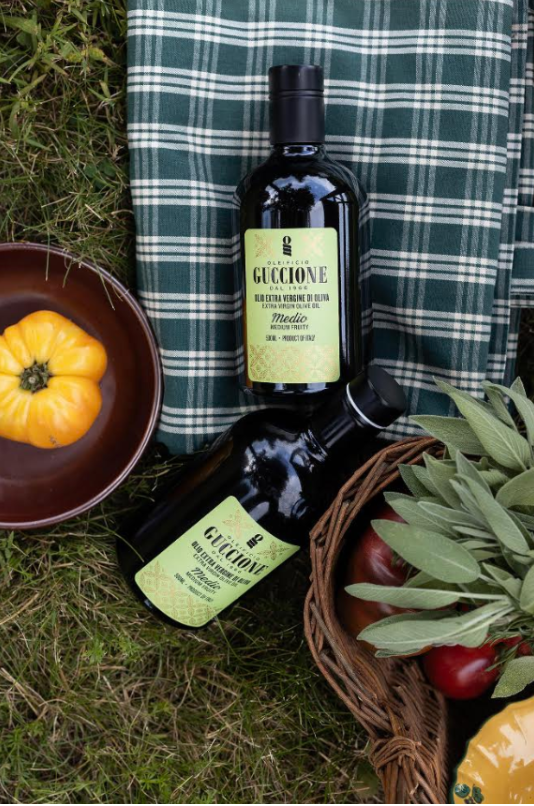
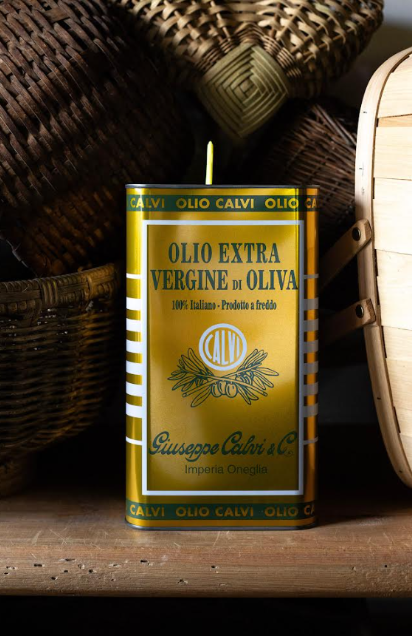
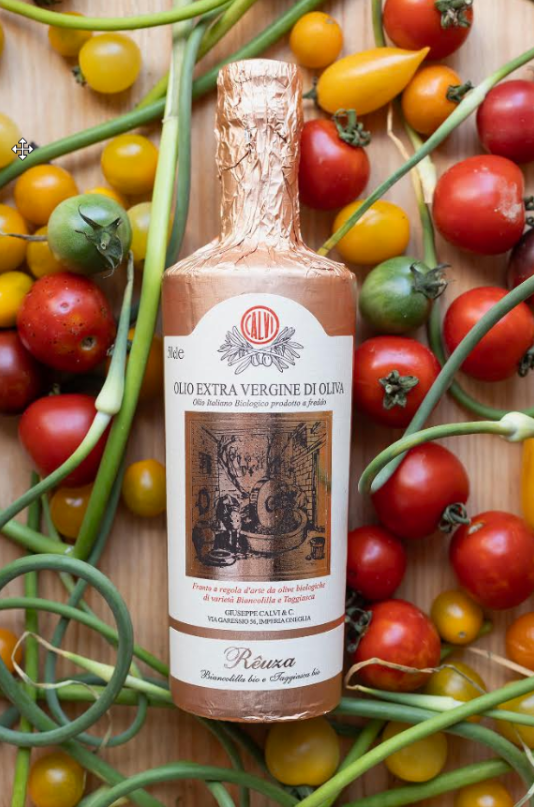
A dark bottle or tin, a harvest date, the name of an olive variety, and the words single estate or cold extracted are useful. They are clues, not conclusions. No single detail can replace knowing the producer or tasting the oil.
“Our work at Pogliani Select begins with relationships. We know the families behind our oils, from Liguria, Tuscany, and Sicily to Istria, Croatia. We walk their groves, visit their mills, and taste with them. Those connections help us understand not only what is in each bottle, but how and why it was produced,” explain Pogliani Select co-founders Walter Pogliani and Mike Fish.
Then, taste it. Smell the oil first, then sip it on its own. You may find grass, tomato leaf, artichoke, almond, bitterness, or a peppery finish. Another oil may be softer, rounder, and more delicate. There is no single flavor that defines “real” extra virgin olive oil, and that is part of its pleasure.
Read the full blog, “What’s in the Bottle?” and discover what the label alone cannot tell you.