
By Francesca Lanese
The first Italian sentence I ever learned was “Buongiorno, mi chiamo Francesca.” I was four years old, in a church basement in Columbus, Ohio, proudly introducing myself to anyone who would listen. I didn’t know what the words meant, but I understood the way they lit up my grandmother’s face. Speaking Italian felt like opening a small door back to her childhood, back to family history that time and circumstance had made distant.
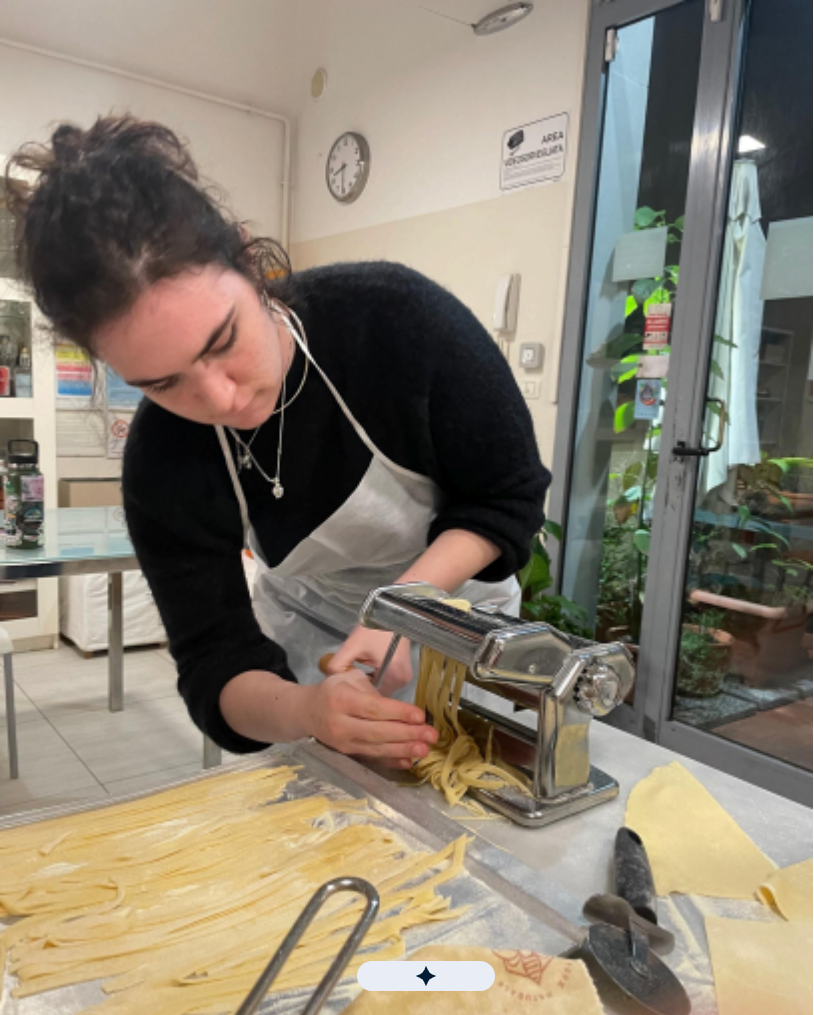
As an adult, I spent a month in Naples, volunteering at a free clinic that cared for immigrants and unhoused people. By this point, I had studied Italian for years in classrooms in Ohio, in Florence, and in Malibu, but Naples was where the language became embodied. It lived in the warm chaos of the clinic, in the pharmacist’s laughter, in the cardiologist’s careful explanations, in the shared cups of espresso between doctors and patients. The doctors teased me for my “Neapolitan nose,” insisting they could tell exactly where my family came from. I pretended to be offended, but secretly, it felt like being recognized.
One evening, the cardiologist invited me to dinner and gave me a textbook he had written on electrocardiograms. He inscribed it to me, saying “in certainty and in hope, that you would remember us always.” I carry this book not just as a study tool or souvenir, but as a reminder of the global connections that language creates. For me, Italian has bridged heritage and vocation, past and future, science and care.
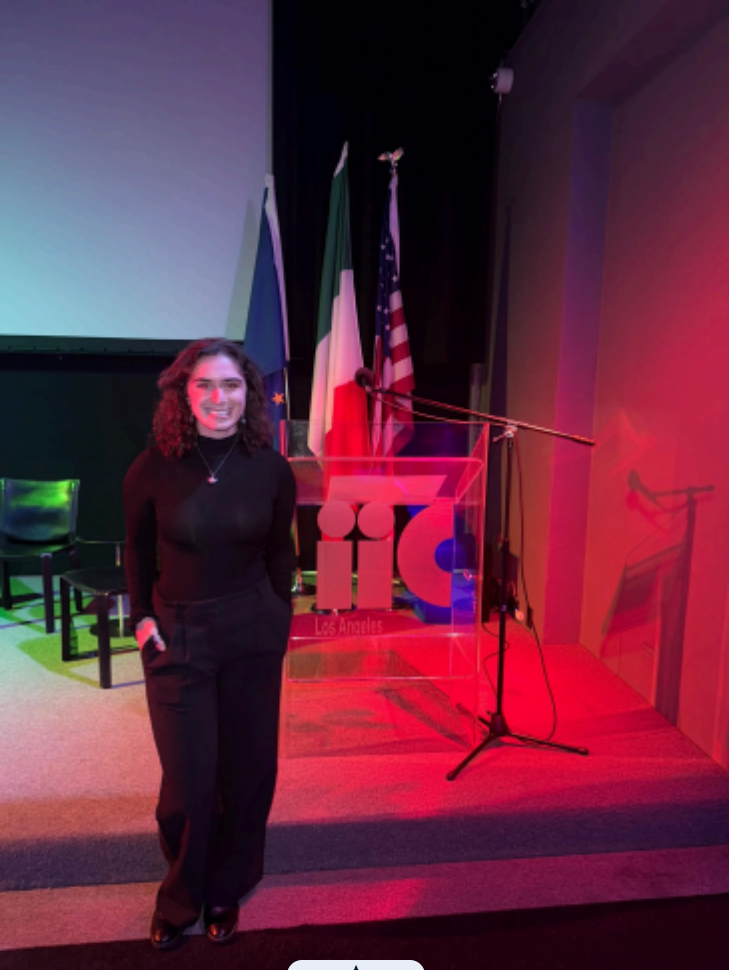
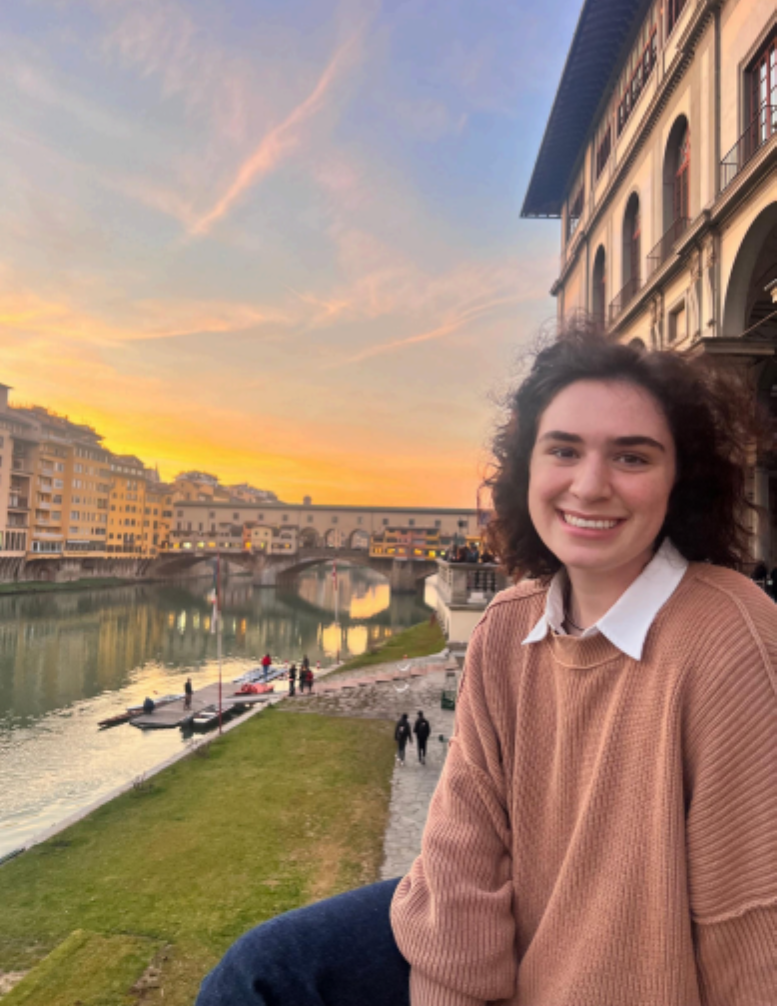
I am a senior at Pepperdine University studying Sports Medicine and Italian Studies on the pre-medical track. I plan to become a physician and continue exploring the connections between language, culture, and healthcare.