(212) 461 0094

The Italian Language FoundationThe Italian Language Foundation

Promoting and Supporting Italian Language Education

  • Home
  • About
    • Board & Team
    • Emerging Leaders
    • Media
  • Our Impact
    • Events
    • Blog
  • Join ILF
    • Student
    • Teacher
    • Emerging Leaders
    • Parent Advocates
  • Get Involved
    • Corporate Sponsorship
  • Donate

La Dolce Vita in a Bottle: Discover Italy’s Perfume Magic

THE ITALIAN LANGUAGE FOUNDATION / December 15, 2025 / Blog /

Italian Translation

By Bianca Harmetz

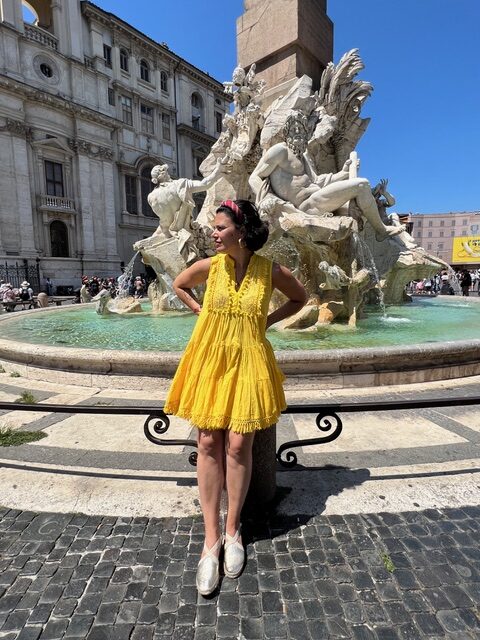
When you think of luxury fragrance, France tends to steal the spotlight—Chanel, Dior, YSL and their irresistible Parisian allure. But pause for a moment: Italy has been weaving its own magic with scent for centuries, and its fragrance world is every bit as enchanting. From Renaissance apothecaries to captivating boutiques in Florence, Naples, Milan, and beyond, Italian perfumery is pure artistry. 

A Renaissance Scent Saga

Picture Florence in the 1300s: a vibrant city where art, fashion, and fragrance flourished. While France experimented with simple oils, Italian monks and apothecaries were already perfecting the alchemy of perfume. Back then, friars blended herbs, citrus, and florals into potions so alluring they bewitched royalty.

The Officina di Santa Maria Novella, founded in 1221, remains the world’s oldest pharmacy—and still crafts divine scents today.

When Catherine de’ Medici married Henry II of France in 1533, she brought her personal profumiere, Renato Bianco, to court, forever imprinting Italy’s fragrance mastery onto French soil. That’s practically the origin story of European glamour.

Venice, at the heart of the spice trade, took perfumery even further with Aqua Mirabilis—one of the earliest alcohol-based perfumes, stored of course in breathtaking Murano glass bottles. 

Florence’s Fragrant Heart

Florence is still the soul of Italian perfumery. Wander into Santa Maria Novella (Via della Scala, 16) and step into a Renaissance dreamscape, where gilded shelves cradle bottles of Acqua della Regina, the citrusy scent once loved by Catherine de’ Medici herself.

For a more personal touch, visit AquaFlor Firenze (Borgo S. Croce, 6), a stunning artisanal house crafting bespoke perfumes inside a hidden palazzo. Or explore Lorenzo Villoresi (Via de’ Bardi, 12), where the on-site perfume museum overflows with delicious potions, and the staff treats fragrance selection like a sacred art.

Naples, Trieste & Beyond

Southern Italy boasts Profumeria Artigianale (Corso Umberto I, Naples), a niche fragrance haven that Carrie’s cult favorites like Xerjoff and Nasomatto. Shopping here feels less like a transaction and more like discovering your scent soulmate, guided by experts.

Up north, Profumeria Essenza (Via Genova, 21, Trieste) is a family-run boutique where a mother-daughter duo lovingly curates hard-to-find fragrances creating a personalized experience that leaves you feeling like part of the family.

In Milan, stop at 50 ml (Via Madonnina, 17), a sleek boutique where fragrance discovery feels effortlessly chic—or Campomarzio70 (Via Brera, 2), which showcases curated selections from cult brands.

If you’re enchanted by Venetian romance, don’t miss The Merchant of Venice flagship store, housed in a historic palazzo near San Marco. This luxury brand draws inspiration from the city’s ancient trade routes and showcases perfumes in dazzling Murano glass bottles. They even offer perfumery workshops, where visitors can create their own custom scents—a dream experience for any fragrance lover.

Fashion’s Fragrant Influence

Italy’s fashion icons have helped keep its perfume heritage in the spotlight. Though global brands like Armani’s Sì and Prada’s Infusion d’Iris are often produced abroad, they embody an unmistakable Italian elegance. Their success has paved the way for boutique perfumers and indie brands to claim their space on the world stage—and trust us, their scents are next-level.

Italian Scents to Fall For

Italy’s perfumers know how to bottle poetry. Add these to your fragrance wardrobe:

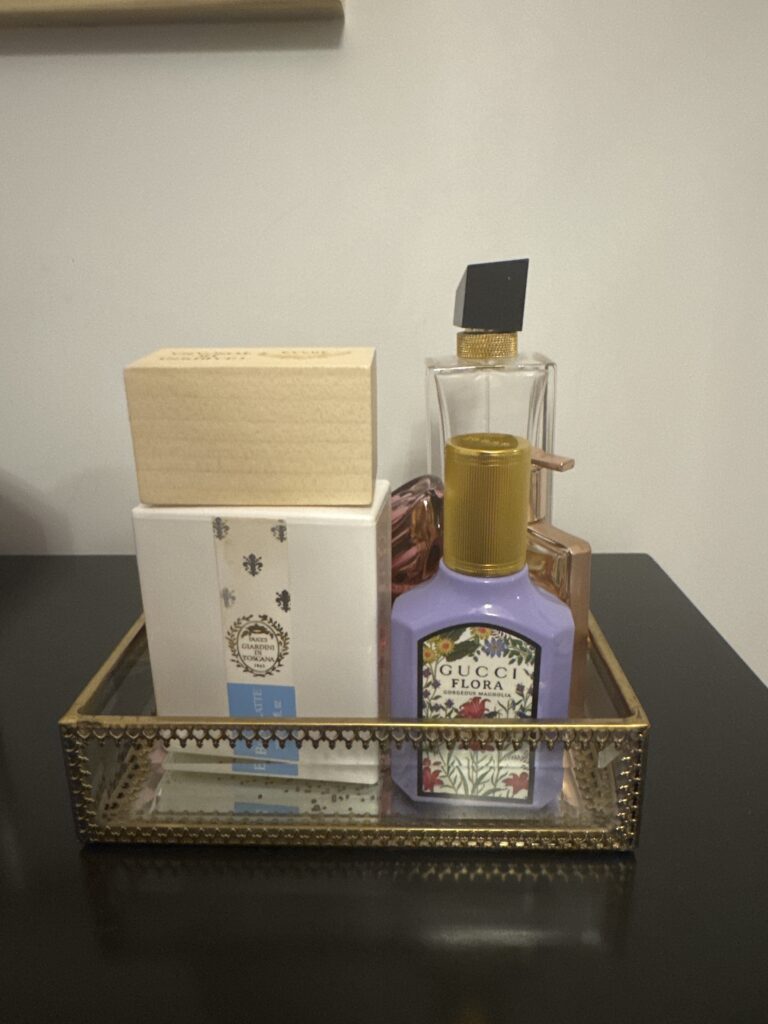
  • Bianco Latte by Giardini di Toscana: A cult favorite among fragrance lovers—think creamy caramel, smoky white chocolate, and dreamy vanilla. 
  • L’Erbolario Dolcelisir: Sweet vanilla, caramel, and orange blossom combine in a fragrance that’s basically an Italian dessert in a bottle.
  • Casamorati Lira by Xerjoff: A glamorous blend of blood orange, caramel, and vanilla that’s made for summer nights.
  • Francesca Dell’Oro Need a Name: Bright grapefruit and lemon drift into delicate florals, capturing the spirit of the Amalfi Coast.

Timeless Colognes for Him (Or You!)

  • Acqua di Parma Colonia: Crisp citrus and soothing lavender—an effortless classic since 1916.
  • Santa Maria Novella Acqua di Colonia Melograno: A spicy, sophisticated pomegranate scent that feels like wearing a velvet blazer.
  • Tiziana Terenzi Orion: A luminous blend of pineapple, bergamot, and woods— an Italian summer on your skin.

How Immigrants Are Changing Italian Cuisine

THE ITALIAN LANGUAGE FOUNDATION / November 21, 2025 / Blog /

Francesca Montillo, The Lazy Italian.

See the original post HERE

For centuries, Italy has been celebrated as the land of pasta, pizza, and passion for food. But like its art, architecture, and language, Italian cuisine has never stood still. It’s a living tradition that evolves with every generation — and today, one of the biggest forces shaping it is immigration.

In recent decades, newcomers from Africa, Albania, Morocco, and other parts of the world have made Italy their home. They’ve brought their ingredients, their cooking styles, and their own stories of migration and resilience. The result? A quiet revolution on the Italian table — one that is adding new flavors and perspectives to the country’s beloved food culture.

In this post we will take a closer look at how immigrant communities are influencing what Italians eat, how they cook, and how they think about food.

A New Chapter in the Italian Food Story

To understand this transformation, it helps to remember that Italian cuisine has always been about mixing and adapting. Tomatoes, for example, came from the Americas; coffee arrived through trade with the Arab world. Even pasta, often thought of as purely Italian, has ancient roots stretching across Asia and the Middle East.

So, when immigrants began arriving in larger numbers in the late 20th century — from North and Sub-Saharan Africa, Eastern Europe, and the Balkans — it was only natural that new ingredients and ideas would eventually find their way into Italian kitchens. Food has always been a bridge between cultures.

The African Touch: From Spices to Street Food

North African Influence

Morocco, Tunisia, and Egypt are geographically close to Italy, especially to Sicily and the southern coasts. These ties go back centuries through trade and cultural exchange. But the more recent wave of North African immigrants has made this influence much more visible.

In Sicily, for instance, you can find couscous di pesce — fish couscous — on the menu in Trapani. While locals proudly claim it as Sicilian, its roots are clearly Arab. The use of semolina grains steamed and served with seafood broth reflects the blend of Arabic and Italian coastal traditions. Moroccan and Tunisian migrants have helped preserve and spread this dish, giving new life to an ancient fusion.

Cumin, coriander, and harissa — once exotic in Italy — are now stocked in southern supermarkets and used by Italian home cooks looking to experiment. Restaurants run by Moroccan families in Rome and Naples are introducing dishes like tajine di verdure (vegetable stew) alongside Italian favorites, creating a growing taste for slow-cooked, spice-infused food.

Sub-Saharan Contributions

From Nigeria, Senegal, and Eritrea, migrants have brought a love for richly seasoned stews and grilled meats. In cities like Milan and Turin, small African markets now supply cassava, plantains, and palm oil — ingredients once impossible to find in Italy.

Ethiopian restaurants, popular among both immigrants and Italians, have introduced injera (spongy flatbread) and spicy lentil dishes into Italian urban food culture. These cuisines appeal to Italians’ appreciation for strong, balanced flavors and communal dining — everyone sharing from the same plate.

Even Italian street food is evolving: in some neighborhoods, kebabs, samosas, and spicy grilled chicken are replacing the traditional panino con prosciutto as quick, affordable snacks.

The Albanian Connection: Humble Ingredients, Big Heart

The story of Albanians in Italy is one of closeness and cultural exchange. The Adriatic Sea separates the two countries by just a few hours’ ferry ride. Large waves of Albanian immigrants began arriving in the 1990s, bringing with them simple, hearty foods that resonate with Italian sensibilities.

Albanian cooking is based on bread, dairy, and vegetables — all familiar ingredients to Italians. But the ways they’re prepared add new twists. Take byrek, a savory pie filled with spinach, cheese, or meat, similar to Italy’s torta salata. It’s become popular in southern Italian towns with Albanian communities, sold in bakeries right beside focaccia and calzone.

Many Albanians work in agriculture, restaurants, and bakeries, helping sustain Italy’s food production and hospitality industries. They’ve influenced not just recipes but also the rhythms of Italian food life — from vineyards in Puglia to cafés in Milan.

And while Albanians have embraced Italian cuisine wholeheartedly, they’ve also quietly enriched it with their own flavors, creating dishes that blend both worlds: pasta stuffed with feta and herbs, or risotto flavored with Balkan spices.


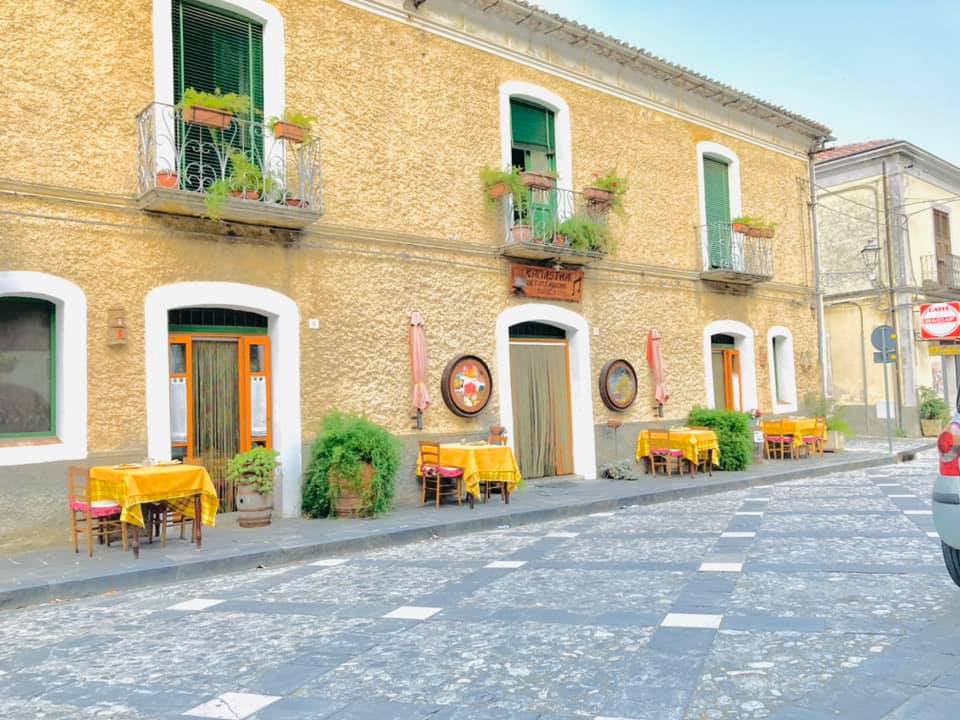
The Kamastra Restaurant was founded in July 1995 in Civita, an Arbëresh village in the province of Cosenza in Calabria. Picture Credit: Kamastra Restaurant Official Facebook Page.

Morocco’s Sweet Revolution

Italy has always loved sweets — think of cannoli, tiramisu, or panettone. Moroccan immigrants have brought new dimensions to Italian pastry culture, especially in urban centers.

Moroccan desserts like chebakia (honey-coated cookies) or sellou (toasted flour and almond mix) are now common at multicultural festivals and markets. Their intricate use of almonds, honey, and orange blossom water resonates with traditional Italian tastes from Sicily and Sardinia, where similar ingredients have been used since Arab rule in the Middle Ages.

But what’s new is how these sweets are reinterpreted: Italian pastry chefs experiment by blending chebakia’s spices into biscotti or drizzling panettone with honey and sesame — a nod to Moroccan influences. It’s a dialogue of flavors that respects both traditions while creating something original.

Multicultural Kitchens: A New Italian Identity

In many Italian cities today, immigrant chefs are redefining what “Italian food” means. A Somali chef might prepare pasta al sugo with cloves and cardamom. A Moroccan pizzaiolo could top a pizza with lamb and mint yogurt. An Albanian might serve lasagna alla byrek at her family’s restaurant.

These fusions aren’t gimmicks — they’re reflections of real lives lived between cultures. They show how food adapts to migration, and how Italy’s own culinary tradition — rooted in simplicity and local pride — naturally welcomes change.

Italian cuisine has always been regional: pesto in Liguria, risotto in Lombardy, arancini in Sicily. Now, you can add a new “region” — multicultural Italy — where menus are as diverse as the people who cook them.


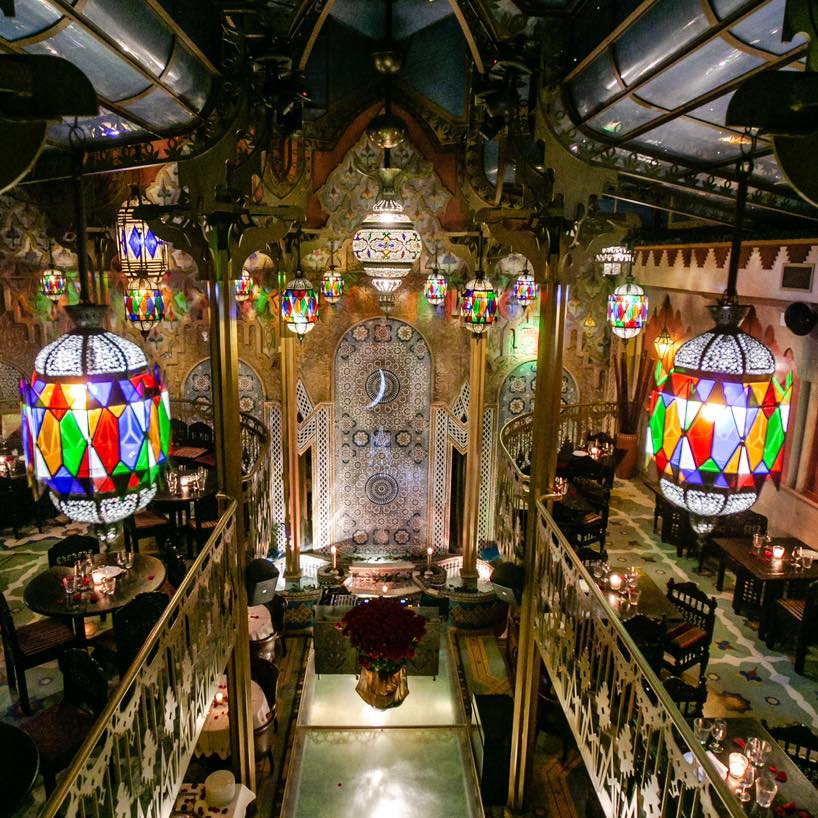
Riad Yacout in Milan is a lavish three-floor Moroccan-themed restaurant where ornate décor, live entertainment and Maghreb-Mediterranean cuisine combine for a dramatic evening experience. Picture Credit: Riad Yacout Official Facebook Page.

Challenges and Acceptance

Of course, this blending hasn’t always been easy. For many years, immigrant cuisines were seen as “foreign” or cheap. African and Albanian restaurants often catered mainly to their own communities. But that is changing.

Younger Italians are curious and open to trying new flavors. Food festivals celebrating multiculturalism are drawing crowds. TV chefs and food bloggers highlight immigrant-run restaurants. The Italian word “contaminazione” — once negative — is now celebrated as a creative force in cooking.

And beyond taste, there’s a deeper shift: Italians are recognizing how immigrants sustain the very industries that make their cuisine famous — picking tomatoes, making cheese, cooking in restaurants, and running bakeries. Food is both cultural expression and livelihood.

A Shared Table for the Future

What’s happening in Italy today is not just a culinary trend — it’s a reflection of how societies grow through exchange. When an Italian grandmother in Palermo adds a pinch of cumin to her tomato sauce, or a Moroccan family enjoys spaghetti at Sunday lunch, they are participating in the same story: food as a language of connection.

In a world where migration often sparks fear or division, Italy’s kitchens offer another perspective — one of collaboration, flavor, and humanity. The evolving Italian cuisine is proof that identity is not lost through change; it becomes richer.

So, the next time you savor a pizza with harissa, a couscous with local fish, or a pastry scented with orange blossom, remember: you’re tasting the modern history of Italy — a story written not just by Italians, but by everyone who now calls Italy home.

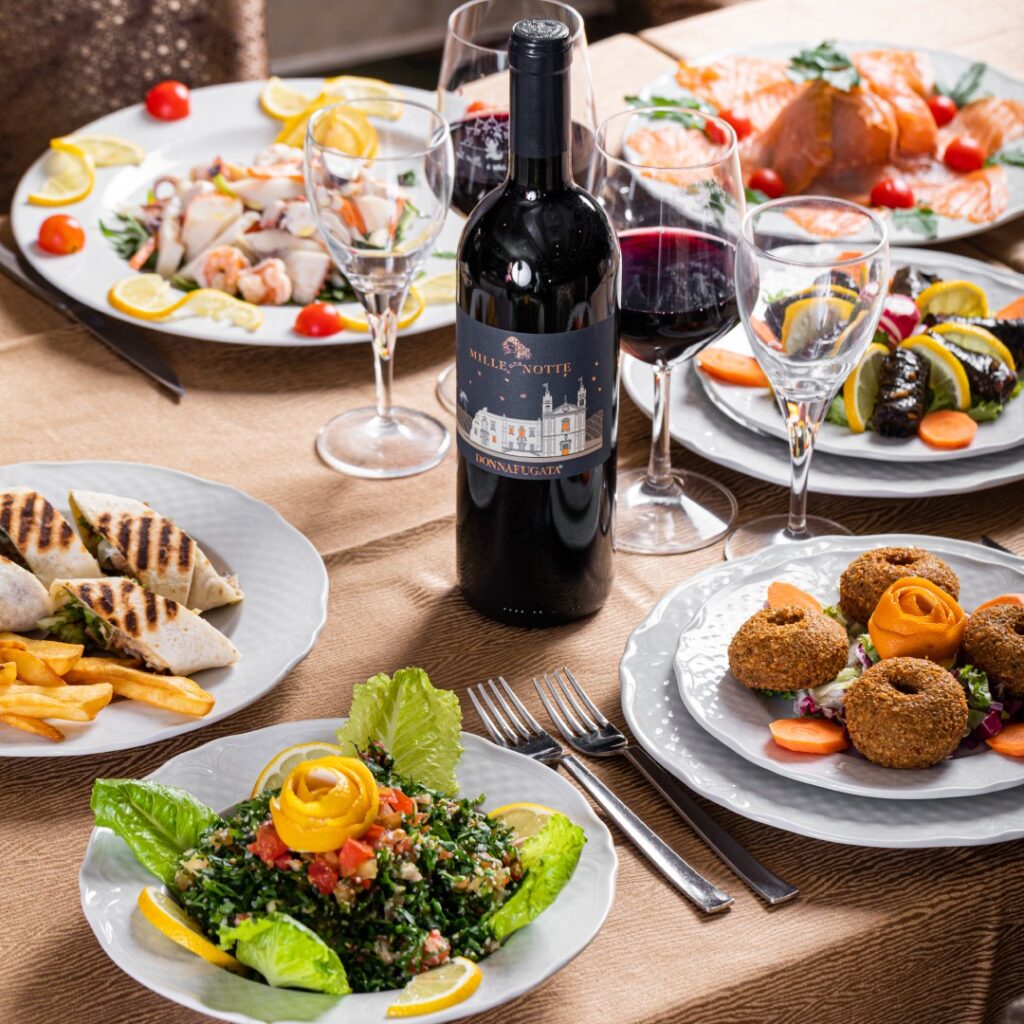
Le Mille e Una Notte in Rome serves Lebanese, Syrian, and Maghreb cuisine.
Picture Credit: Le Mille e Una Notte Official Facebook Page.

“La bellezza salverà il mondo” — e anche la lingua italiana

THE ITALIAN LANGUAGE FOUNDATION / November 6, 2025 / Blog, Italian Translation /

Traduzione Inglese

Di Argia Coppola

La bellezza non è decorazione: è una struttura, un modo di vedere e di dare forma al mondo. L’italiano è la lingua di quella bellezza. Porta con sé secoli di musica, arte, poesia, cinema, design e vita quotidiana. E anche nell’era veloce e digitale, continua a parlare a qualcosa di essenziale: il legame tra immaginazione e realtà.

Il mio metodo di insegnamento nasce dalle arti — in particolare dalla drammaturgia, dalla poesia e dal linguaggio del cinema. Uso questi strumenti per aiutare gli studenti a sentire l’italiano, non solo a studiarlo. Quando leggono le immagini di Fellini o pronunciano parole che un tempo appartenevano alle opere liriche o alle rivoluzioni politiche, iniziano a capire come la lingua plasmi l’identità. L’italiano diventa qualcosa in cui possono abitare.

Oggi l’italiano continua a creare valore. L’espressione Made in Italy significa più di un luogo. Significa qualità, originalità e cura. Anche in America vediamo come il pensiero italiano influenzi la cucina, la moda, il giornalismo, l’istruzione, l’ingegneria e molto altro. Quando qualcuno impara la lingua, non sta solo imparando delle parole — sta entrando in una rete di significati che attraversa i settori più diversi.

Leggere un libro o un giornale in italiano non salverà il mondo. Ma potrebbe ampliare le possibilità che noi — e il mondo — abbiamo ancora.

Argia Coppola, PhD in Teatro e Drammaturgia, offre corsi privati, di gruppo e online di lingua e cultura italiana attraverso la poesia, il cinema e le arti – www.argiacoppola.org.

“Beauty will save the world”—and so will the Italian language

THE ITALIAN LANGUAGE FOUNDATION / November 6, 2025 / Blog /

Italian Translation

By Argia Coppola

Beauty is not decoration—it’s a structure, a way to see and shape the world. Italian is the language of that beauty. It carries centuries of music, art, poetry, cinema, design, and everyday life. And even in the fast, digital age, it still speaks to something essential: the connection between imagination and reality.

My teaching method was born from the arts—especially playwriting, poetry, and the language of film. I use these tools to help students feel Italian, not just study it. When they read Fellini’s images or speak words that once belonged to operas or political revolutions, they begin to understand how language shapes identity. Italian becomes something they can live inside.

Today, Italian still creates value. The phrase Made in Italy means more than location. It means quality, originality, and care. Even in America, we see how Italian thinking influences cuisine, fashion, journalism, education, engineering, and more. When someone learns the language, they’re not just learning words—they’re stepping into a network of meaning that stretches across industries.

Reading a book or a newspaper in Italian won’t save the world. But it might expand the possibilities that we—and the world—still can.

Argia Coppola, PhD in Theater and Playwriting, offers private, group, and remote courses in Italian language and culture through poetry, cinema, and the arts – www.argiacoppola.org. 

Italy Made Me Do It

THE ITALIAN LANGUAGE FOUNDATION / October 24, 2025 / Blog /

By Andrew Cotto

Being recognized this past spring by the Italian Language Foundation as a Giambelli Culinary Award recipient was an honor. What made this moment particularly unique is that the basis for this recognition was (as the proudly displayed plaque in my office reads): For your commitment to excellence as an award-winning author, journalist, co-founder & editor-in-chief of Appetito Magazine and passion for Italian culture and language. This unexpected path began as a writer and an Italophile on my first visit to Italy 20 years ago.

I had discovered a love of literature and a passion for storytelling in college. My post-graduation plan was to pursue a life as a teacher and writer. Instead, I accepted a job in corporate sales that I was perfectly happy with until that fateful first trip to Italy. It was a late afternoon in Florence, sipping prosecco and looking over the River Arno, when I decided to change my life. As I often say: Italy made me do it.

Three years later, I was living in the hills south of Florence writing my first novel. After returning to New York a year later, with an agent and acceptance to graduate school, I completed a second novel and received my Master of Fine Arts degree in Creative Writing. After the second novel was published, my agent pointed out to me that both of my books featured strong Italian food writing. Thus began my work as an Italian food writer, regularly contributing to publications such as The New York Times, Men’s Journal, Relish, Rachel Ray In Season, La Cucina Italiana and many more. 

I also began leaning into the Italian food aspects of my novels, using food not just as a sensory device but as a means of plot development and character development. This is most notable in my “Italian Adventure” series (Cucina Tipica and Cucina Romana, respectively) which both take place in Italy and emphasize Italian cuisine as not just a source of pleasure but also of wellness. 

And this desire to promote Italian cuisine, culture and travel in myriad ways is what inspired the creation in 2023 of Appetito Magazine. Our digital publication tells stories, shares recipes, provides insights and tips, and – most importantly – fosters community. That’s what I was after all along with my dream of being a storyteller. And Italian food was my muse. 

  • « Previous Page
  • 1
  • 2
  • 3
  • 4
  • …
  • 34
  • Next Page »

Contact Us

TELEPHONE: (212) 461 0094

PHYSICAL ADDRESS:

Italian Language Foundation, Inc.
8 East 69th Street
New York, New York 10021

MAILING ADDRESS:

Italian Language Foundation, Inc.
P.O. Box 112
28 Maple Place
Manhasset, New York 11030

Important Links

  • About
  • Our Impact
  • Join ILF
  • Get Involved
  • Blog
  • Membership
  • Contact

Newsletter


Word of the Day

  • L'argomento: subject

    Part of speech: noun Example sentence:Non cambiare argomento; finiamo di discutere il nostro progetto. Sentence meaning: Don't change the subject; let's finish discussing our project.

Copyright © 2026 · Italian Language Foundation