[email protected]

The Italian Language FoundationThe Italian Language Foundation

Promoting and Supporting Italian Language Education

  • Home
  • About
    • Board & Team
    • Emerging Leaders
    • Media
  • Our Impact
    • Events
    • Blog
  • Join ILF
    • Student
    • Teacher
    • Emerging Leaders
    • Parent Advocates
  • Get Involved
    • Corporate Sponsorship
  • Donate

Embracing the Italian Lifestyle for Holistic Health and Happiness

THE ITALIAN LANGUAGE FOUNDATION / April 24, 2026 / Blog /

Italian Translation

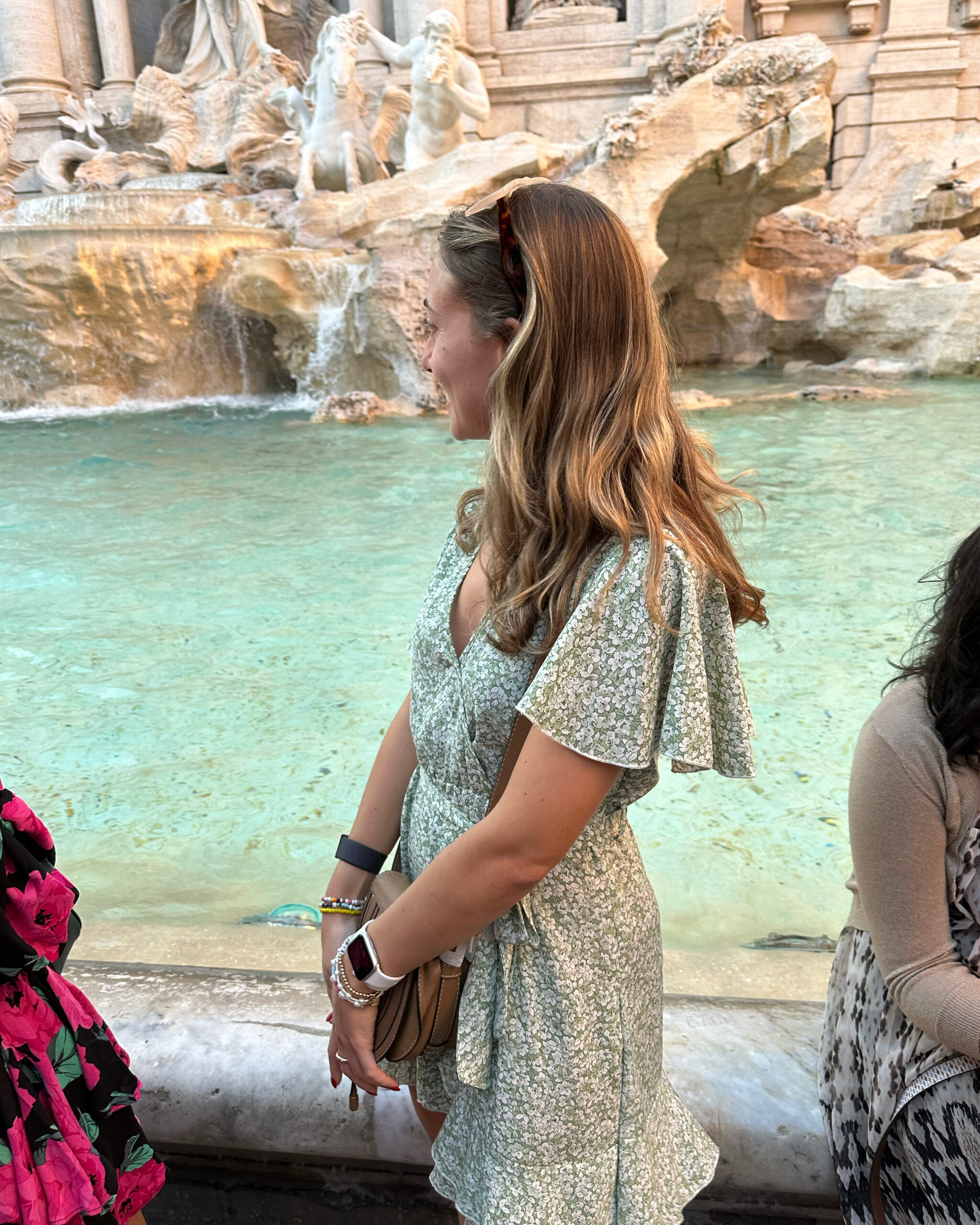
My name is Marianna Cuomo Maier, and I am a founding member of the Emerging Leaders Council of the Italian Language Foundation. Professionally, I’m a National Board Certified Health and Wellness Coach, Sound Meditation Practitioner, and founder of Grata Wellness, a wellness practice with a mission to empower individuals to take daily actions that improve their lifestyle, boost confidence, and achieve their goals sustainably.

I partner with individuals and organizations to reduce stress, prevent burnout, and cultivate meaningful, sustainable well-being. Through personalized coaching, mindfulness practices, and immersive sound experiences, my work is about helping people reconnect with what matters most so they can thrive with more energy, alignment, and joy. I chose the name Grata inspired by the Italian root for gratitude, a powerful tool to shift our mindset and view life from a perspective of abundance. As a wellness expert, I’m inspired by the traditional Italian lifestyle that naturally embraces holistic health. Italians live vibrant, active lives with a focus on wholesome cuisine, consistent physical activity, leisure, regular social interaction, and joy.

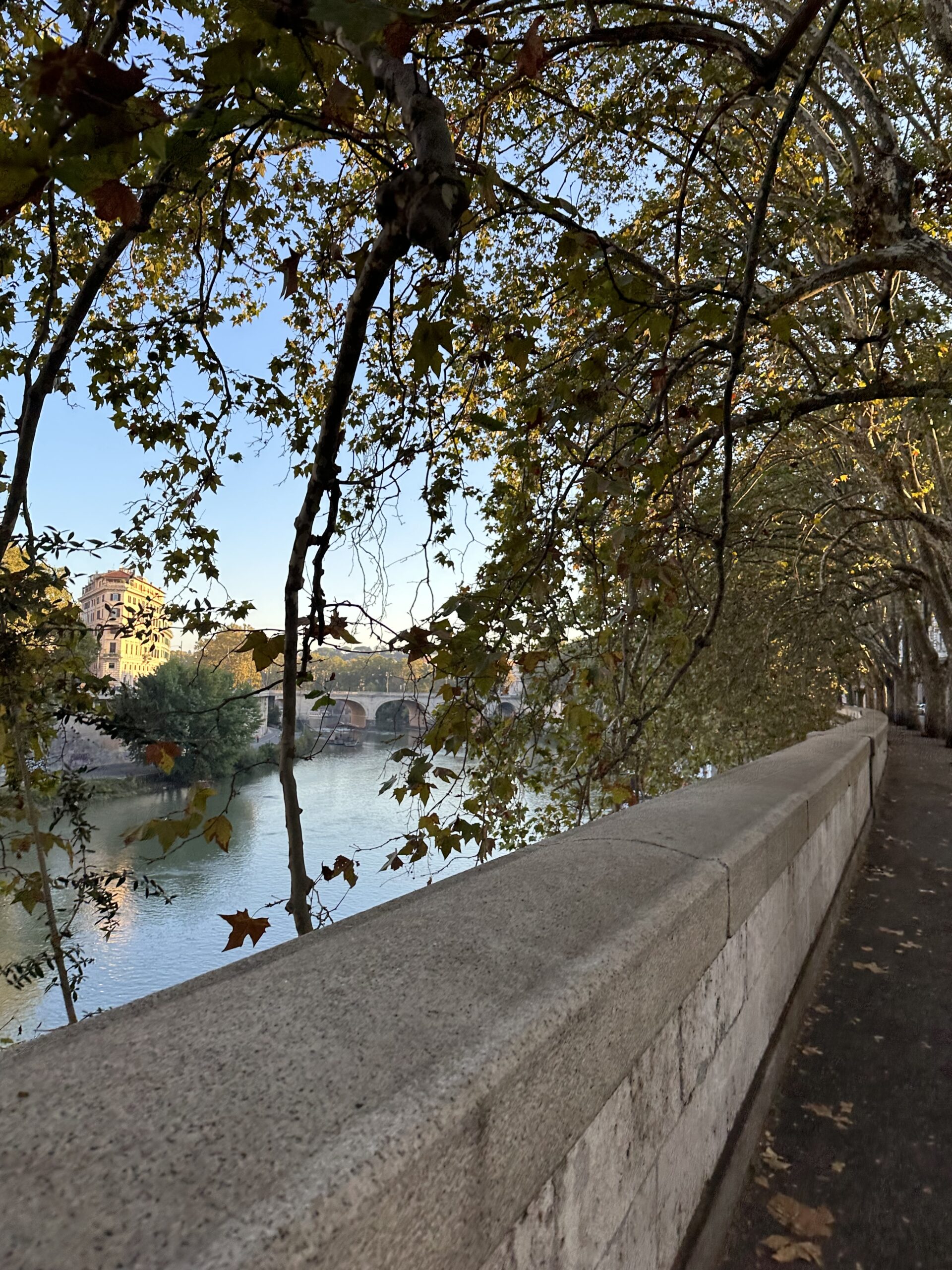
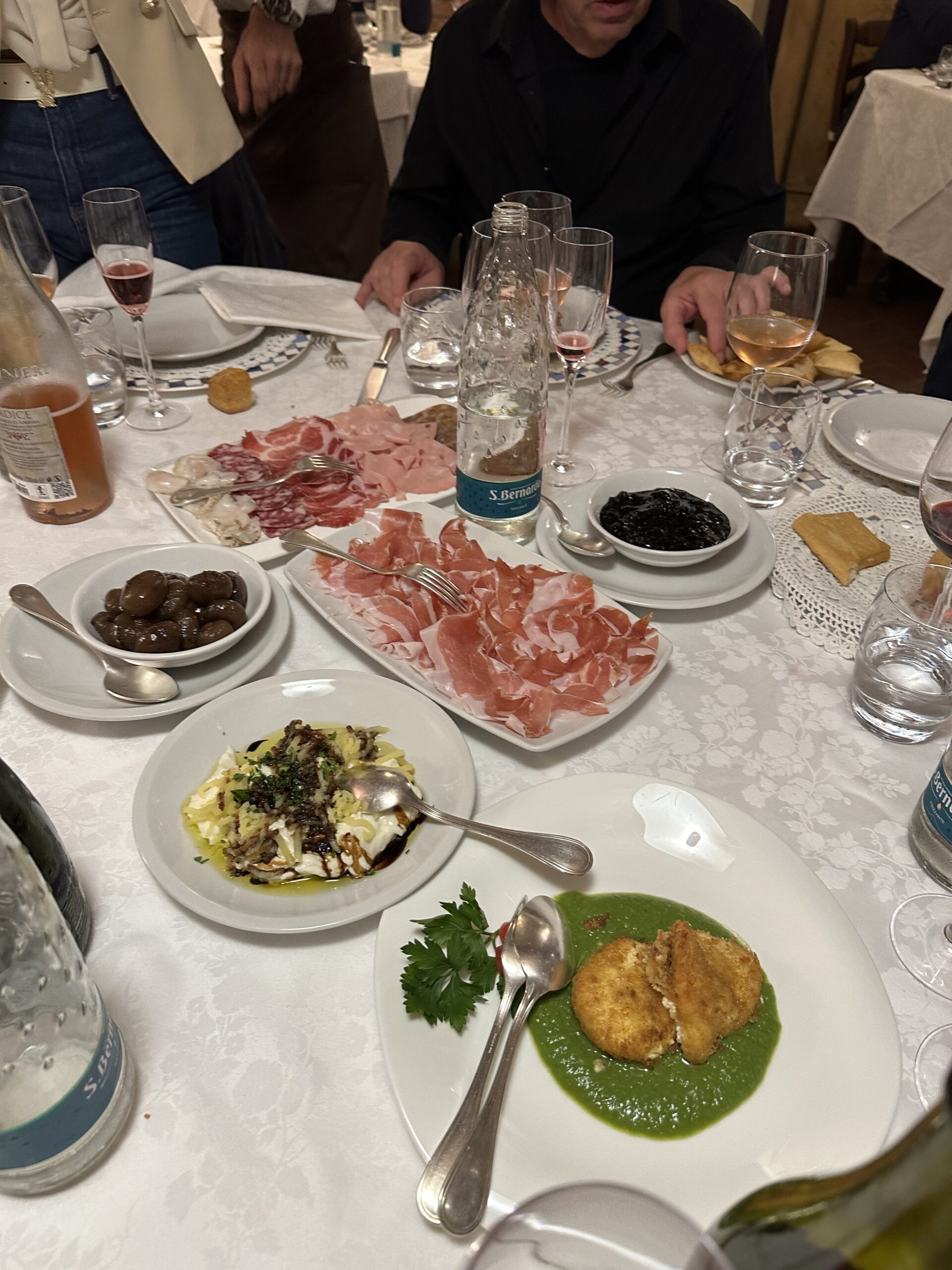
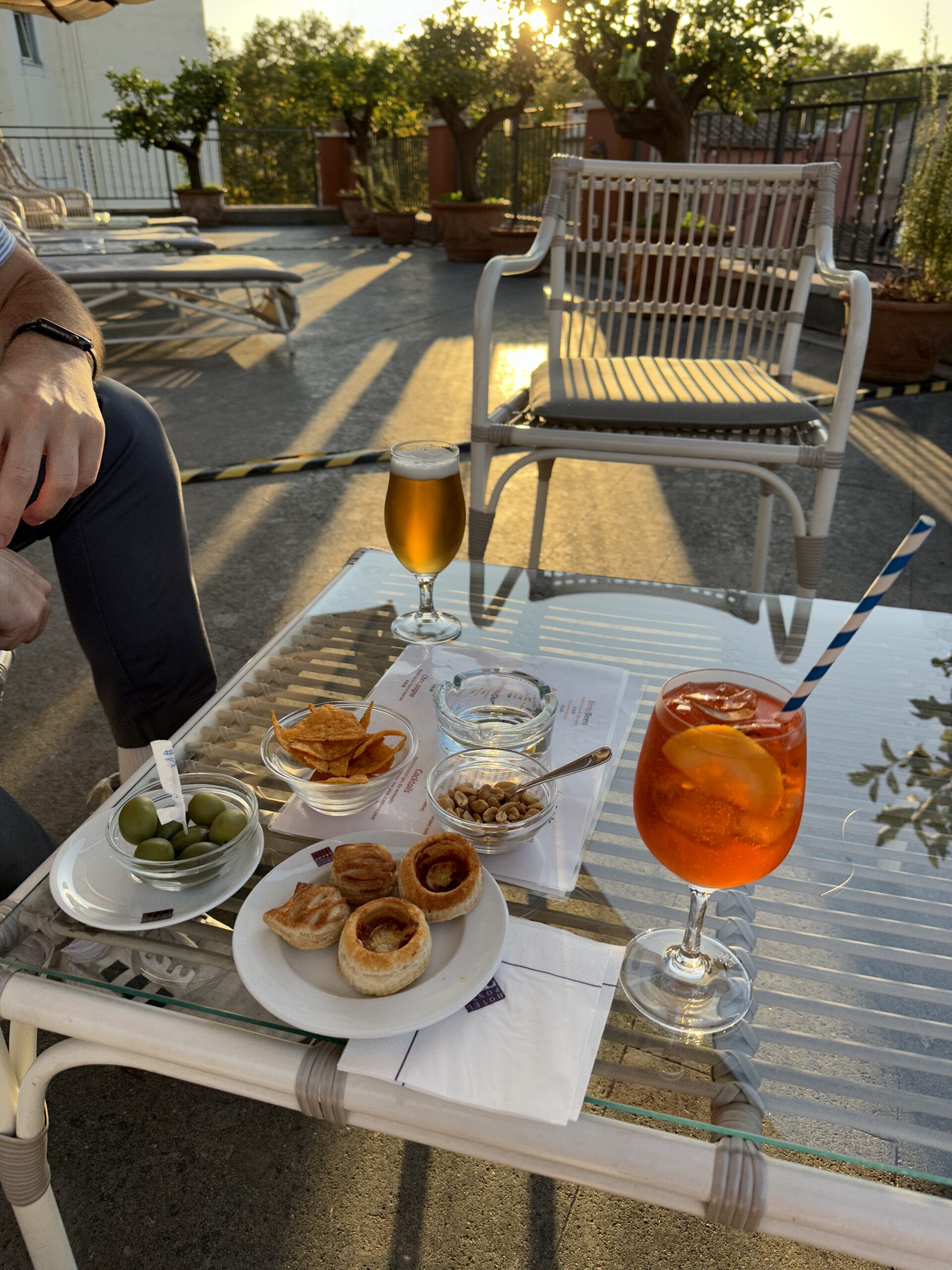
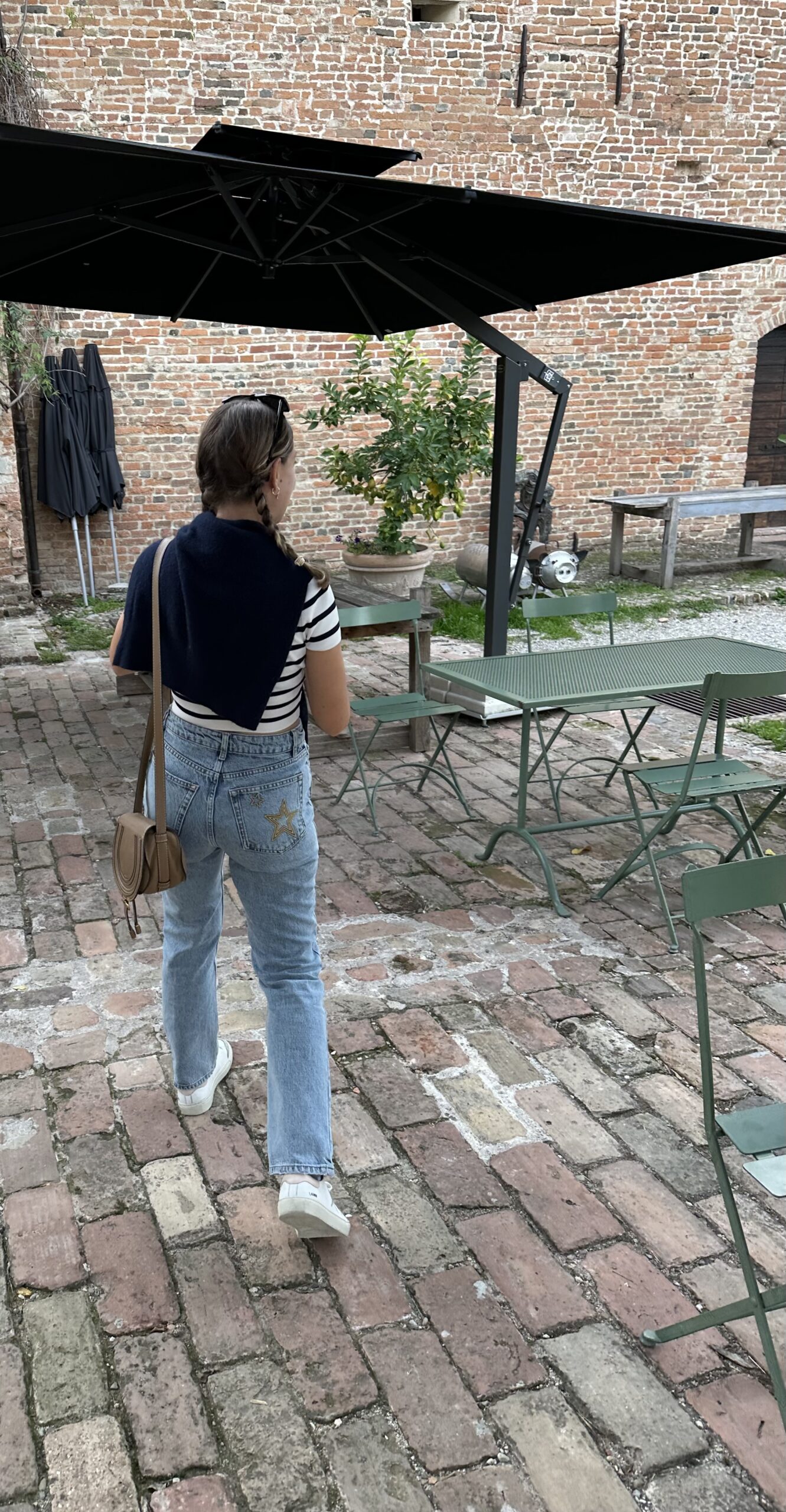
In Italy, mealtime is about more than the cuisine. Food is generally locally sourced, prepared at home, and shared as a group. Research supports the health of the Mediterranean way of eating, embracing plant-based whole foods and healthy fats, proven to lower the risk of diabetes, heart disease, and cancer. Many Italians live an active lifestyle and walk throughout their day. The Italian custom of una passeggiata, a leisurely walk, has numerous health benefits for mind and body. Rest and leisure are widely prioritized in Italian culture and are crucial to productivity and happiness. Perhaps nothing is more important in Italian culture than the people. Expressing love and affection and making time to nurture relationships are key.

Spring is a beautiful season to revisit these rhythms. As the days grow warmer and we find ourselves naturally drawn outside again, there is something in the season that echoes the Italian way of life: more walking, more gathering, more pausing to actually taste life. Rather than a full lifestyle overhaul, it is the small and consistent shifts that tend to create the most lasting change. Noticing how you move between work and rest, building in moments of stillness, and choosing one grounding practice each day, whether that is a walk, a few deep breaths, or a few quiet minutes with sound, can meaningfully support how you feel over time.

Sound meditation is one of the practices I have come to see as a natural complement to this philosophy. As a Sound Meditation Practitioner, I lead sound baths in New York City and virtually for individuals, private groups, and organizations. Sound has a unique ability to create space for stillness in a way that feels effortless, supportive of stress relief, focus, emotional balance, and rest. It is another way of honoring the body, the kind of care that Italians have long woven into everyday life without calling it wellness at all.

Each of us can strive to take time each day to focus on our mental and physical well-being. We can all gain inspiration from the Italian lifestyle to laugh a little more, keep things in perspective, and fully enjoy life’s pleasures.

For more personalized guidance, coaching, or to learn about sound bath offerings, please reach out at [email protected] or book a consultation to begin your wellness journey today.

San Benedetto il Moro, La Sicilia e Un Nuovo Viaggio Nella Memoria

THE ITALIAN LANGUAGE FOUNDATION / April 10, 2026 / Blog, Italian Translation /

Traduzione Inglese

Di Fred Kuwornu

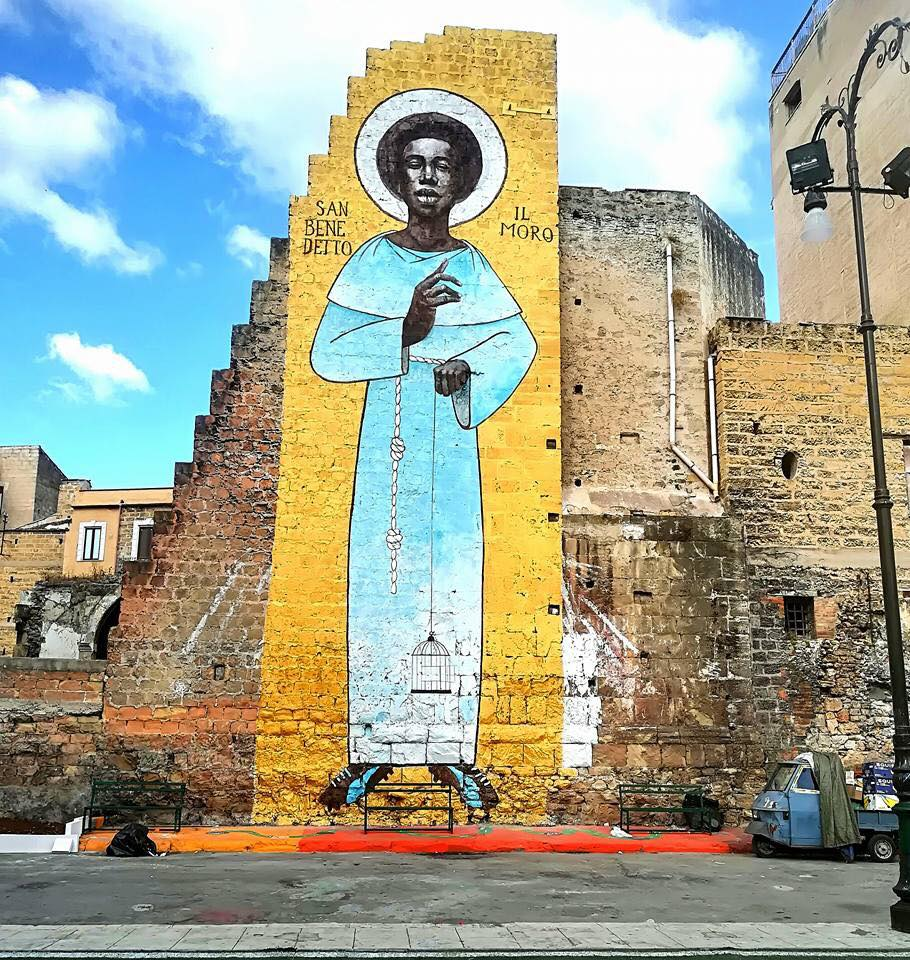
Sto sviluppando un nuovo progetto documentario su San Benedetto il Moro, il santo nero nato in Sicilia, la cui vita apre una prospettiva potente su fede, migrazione, razza e appartenenza nella storia italiana.

Nato a San Fratello, vicino Messina, nel 1526, da genitori africani che erano stati schiavi, San Benedetto visse poi nell’area di Palermo, dove fu conosciuto per la sua umiltà, la sua forza spirituale e il suo legame profondo con i poveri. Con il tempo, la sua storia si diffuse ben oltre la Sicilia e divenne parte di una più ampia devozione cattolica nera tra Italia, Brasile, America Latina e diaspora africana.

Ciò che mi interessa non è soltanto la sua santità, ma anche ciò che la sua vita rivela sulla presenza africana in Italia e in Europa, e sul modo in cui la memoria sopravvive attraverso religione, rituali e devozione popolare. Anche a New York la sua eredità è ancora percepibile in chiese dedicate a San Benedetto il Moro nel Queens e a Manhattan.

Per me questo progetto è insieme storico e personale. È un viaggio attraverso la Sicilia e oltre, alla ricerca di una figura che ci aiuta a ripensare il passato italiano e i suoi legami con una storia globale più ampia.

Fred Kudjo Kuwornu è un artista, regista, curatore e studioso afro-italiano e americano impegnato nel sociale, che vive a New York. Il suo lavoro esplora temi quali la razza, l’identità, la memoria e la presenza africana in Europa e nella diaspora in senso lato attraverso il cinema documentario, gli archivi e la narrazione visiva. Il suo recente documentario *We Were Here – The Untold History of Black Africans in Renaissance Europe* ha ricevuto il Black Reel Award come Miglior Documentario, è stato ufficialmente candidato nella categoria documentari per gli Oscar 2026 e gli è valso il Dan David Prize 2025 – il premio più prestigioso nel campo della storia – nonché la Folgers Library Fellowship.

San Benedetto il Moro, Sicily, and a New Journey Through Memory

THE ITALIAN LANGUAGE FOUNDATION / April 10, 2026 / Blog /

Italian Translation

By Fred Kuwornu

I am currently developing a new documentary project on St. Benedict The Moor, the Black saint born in Sicily whose life opens a powerful window onto faith, migration, race, and belonging in Italian history.

Born in San Fratello, near Messina, in 1526, to African parents who had been enslaved, San Benedetto later lived in the Palermo area, where he became known for his humility, spiritual strength, and deep connection to the poor. Over time, his story traveled far beyond Sicily and became part of a wider Black Catholic devotion across Italy, Brazil, Latin America, African-Americans in the United States.

What interests me most is not only his sanctity, but also what his life reveals about the African presence in Italy and Europe, and how memory can survive through religion, ritual, and popular devotion. Even in New York, his legacy can still be felt in churches dedicated to St. Benedict the Moor in both Queens and Manhattan. For me, this project is both historical and personal. It is a journey through Sicily and beyond, searching for a figure who helps us rethink Italy’s past and its connections to a broader global history.

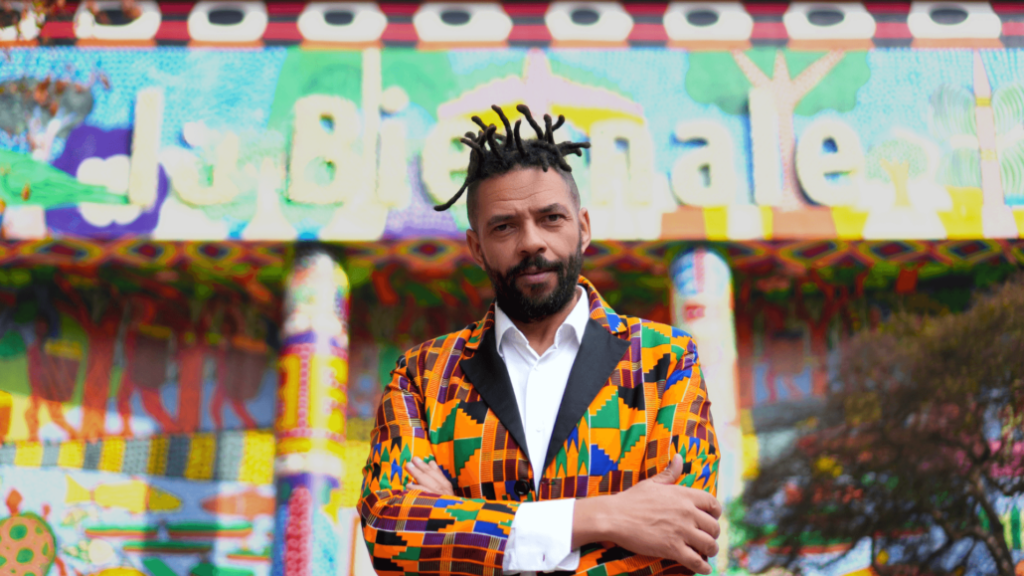
Fred Kudjo Kuwornu is an Afro Italian and U.S. socially engaged artist, filmmaker, curator, and scholar based in New York. His work explores race, identity, memory, and the African presence in Europe and the wider diaspora through documentary cinema, archives, and visual storytelling. His recent documentary We Were Here – The Untold History of Black Africans in Renaissance Europe received the Black Reel Award for Outstanding Documentary, was officially submitted for consideration in the 2026 Academy Awards documentary category, he received the Dan David Prize 2025, the largest History’s prize award and the Folgers Library Fellowship

A Short Journey Through Italian Jewish history

THE ITALIAN LANGUAGE FOUNDATION / March 30, 2026 / Blog /

Italian Translation

By Samuel Cohen

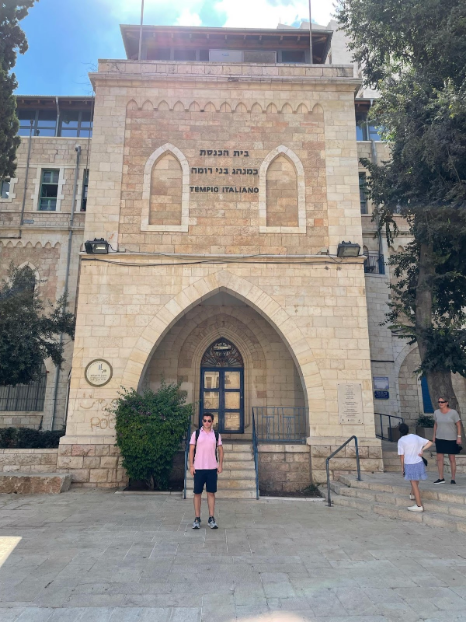
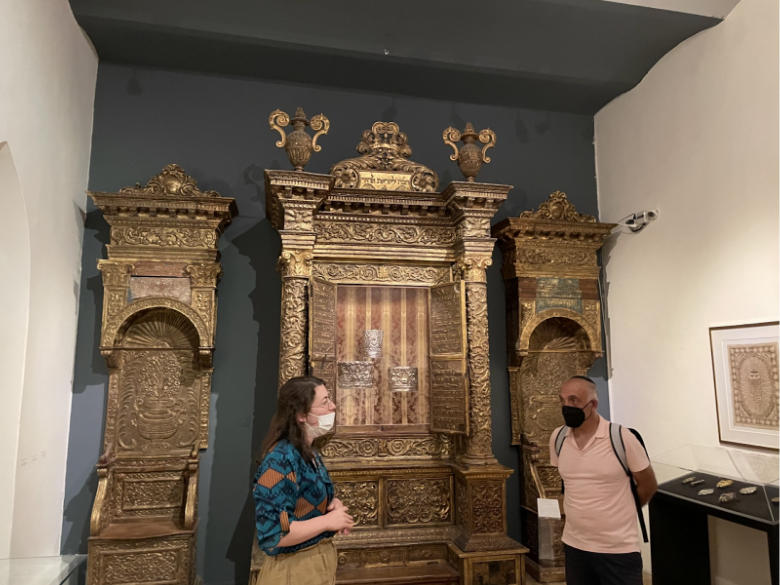
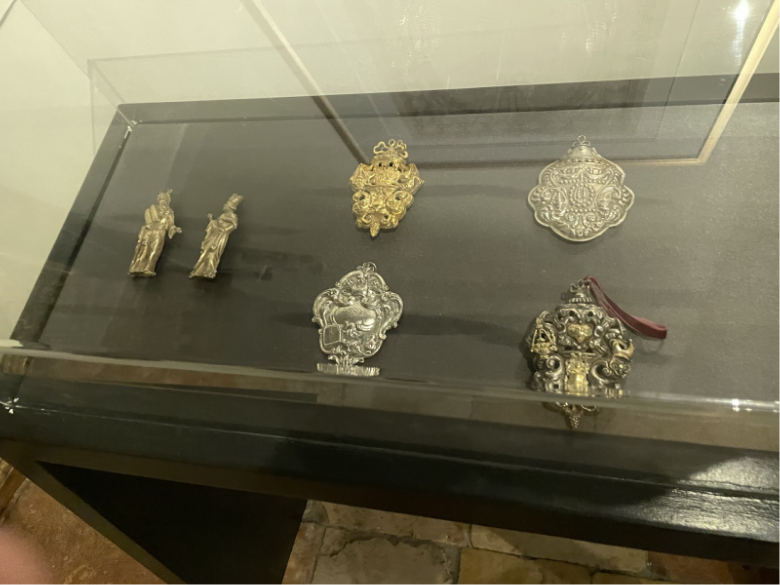
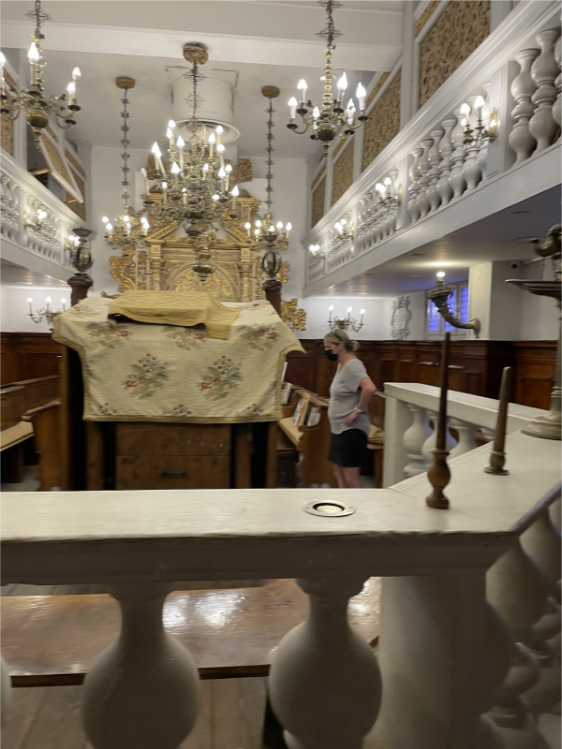
How interesting it was to visit the Italian Jewish museum in Jerusalem during a summer program in 2021. One of my counselors on the program also worked at the museum, and she gave my family and me a personal tour.

The museum was beautiful, intimate, and full of history. I learned a great deal about the Jewish community in Italy and the significant contributions Italian Jews have made to Italian society over the centuries. One of the highlights of the visit was seeing one of the oldest synagogues in the world. The museum had acquired the remains of a crumbling medieval synagogue from Italy and transported it to Israel many years ago. It has since been carefully restored and is still used by Italian Jews living in Israel, especially on holidays. The synagogue is nearly a thousand years old, and its design and atmosphere are truly unique.


This experience deepened my appreciation for Italian culture and history, and it also connected nicely with my studies in high school, where I learnt Italian in a club and developed an early interest in the language and the country. 

Next semester I plan to learn in Milan and I hope the experience will be everlasting and impactful.

I am a junior at Brandeis university currently studying abroad in Milan. I am a triple major in business, physics and Hebrew with a minor in Italian.

Breve Viaggio Nella Storia Ebraica Italiana

THE ITALIAN LANGUAGE FOUNDATION / March 30, 2026 / Blog, Italian Translation /

Traduzione Inglese

Di Samuel Cohen

Quanto è stato interessante visitare il museo degli ebraici italiani a Gerusalemme mentre ero in vacanza estiva nel 2021. Uno dei miei istruttori ha lavorato al museo e ha fatto un tour personalizzato a me e alla mia famiglia ed è stato molto istruttivo. 

Penso che il museo sia magnifico, per la sua intimità e per la sua storia. Io ho imparato molto della comunità ebraica italiana. Anche i contributi significativi che la comunità ebraica ha apportato alla società italiana nel corso dei secoli. Uno degli aspetti più significativi della visita è che ho visto una sinagoga che è una delle sinagoghe più vecchie del mondo. Il museo ha acquisito i resti di una sinagoga medievale in rovina dall’Italia e li ha trasportati in Israele molti anni fa. La sinagoga da allora è stata accuratamente restaurata e riportata al suo antico splendore. Oggi è ancora in uso per la preghiera, durante il sabato e le feste, per gli ebrei italiani che vivono in Israele e i loro discendenti. Penso che l’unicità della sinagoga sia davvero sorprendente perché ha quasi mille anni ed è ancora in uso anche se in una posizione diversa. Tuttavia il suo design e l’atmosfera, soprattutto mentre ero lì, sono davvero unici.


La mia esperienza mi ha fatto approfondire il mio interesse della cultura e della storia italiana. Inoltre, la visita alla sinagoga era collegata con i miei studi al liceo, dove ho imparato l’italiano in un club e ho sviluppato un precoce interesse per la lingua e il paese. 

Il prossimo semestre studierò a Milano e spero che l’esperienza sarà eccezionale e di grande impatto.

Sono uno studente del terzo anno alla Brandeis University e attualmente studio all’estero a Milano. Ho una tripla laurea in economia, fisica ed ebraico, con una specializzazione in italiano.

  • « Previous Page
  • 1
  • 2
  • 3
  • 4
  • 5
  • 6
  • …
  • 39
  • Next Page »

Contact Us

Email:

[email protected]

PHYSICAL ADDRESS:

Italian Language Foundation, Inc.
8 East 69th Street
New York, New York 10021

MAILING ADDRESS:

Italian Language Foundation, Inc.
P.O. Box 112
28 Maple Place
Manhasset, New York 11030

Important Links

  • About
  • Our Impact
  • Join ILF
  • Get Involved
  • Blog
  • Membership
  • Contact

Newsletter


Word of the Day

  • tirare: to pull

    Part of speech: verb Example sentence:Anna piange perché Andrea le ha tirato i capelli. Sentence meaning: Anna is crying because Andrea pulled her hair.

Copyright © 2026 · Italian Language Foundation